
Harnessing Street Theatre as a Catalyst for Public Health Awareness in Kolkata
Street theatre has emerged as a powerful tool for disseminating vital public health messages, especially in the wake of global health crises such as the COVID-19 pandemic. Through its engaging format and local relevance, street theatre awareness Kolkata has proven to be an effective channel for raising public health awareness, especially during challenging times.
STREET THEATRE AND SOCIAL AWARENESS
Sarbani Kolahal
9/21/20265 min read

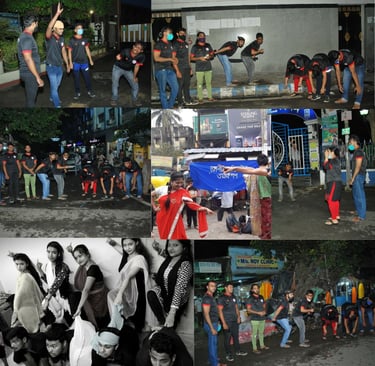
The Power of Street Theatre in Public Health Campaigns
Street theatre has emerged as a powerful tool for disseminating vital public health messages, especially in the wake of global health crises such as the COVID-19 pandemic. Its unique ability to engage audiences in open spaces allows for the creation of immersive experiences that resonate deeply with community members. This form of theatrical art transcends geographic and socioeconomic barriers, making it a universally accessible medium.
One of the distinguishing features of street theatre is its interactive nature. Performers engage directly with the audience, prompting them to reflect on health-related issues and encouraging participation in the dialogue surrounding public health. This engagement fosters a sense of ownership among community members regarding their health, motivating them to advocate for better health practices within their own circles.
In the context of a pandemic, where fear and misinformation can flourish, street theatre serves as a vital mechanism for communicating accurate health information. Through dramatic storytelling and relatable scenarios, these performances can clarify the complexities of preventive measures, such as social distancing and vaccination. The visual and auditory elements of street theatre create memorable impressions, making the health messages more likely to stick in the minds of the audience.
Moreover, street theatre can adapt to various cultural contexts, reflecting the specific challenges within a community. This adaptability ensures that the public health messages are not only relevant but also resonate with the local population. By incorporating local dialects, traditions, and social norms into their performances, street theatre artists can effectively enhance understanding and acceptance of health initiatives.
Through its engaging format and local relevance, street theatre awareness Kolkata has proven to be an effective channel for raising public health awareness, especially during challenging times. By fostering community participation and conveying critical health information in an entertaining manner, it positions itself as an essential tool in the arsenal of public health campaigns.
Lessons Learned from COVID-19 Awareness Dramas
During the COVID-19 pandemic, Kolkata served as a vital stage for the performance of street theatre, amplifying public health awareness through a unique and engaging medium. Various theatre groups implemented initiatives that incorporated educational themes into their performances, addressing critical issues such as wearing masks, social distancing, and vaccination's importance. These street plays reached diverse audiences, ensuring that the health messages resonated with local communities.
One prominent example includes plays that centered around a character who dismisses health protocols, facing dire consequences that ultimately serve as a cautionary tale. The humor and relatability of the characters helped to demystify the health guidelines, making them accessible and less intimidating to the general public. By presenting scenarios familiar to their audiences, these performances provided not only entertainment but also practical health education.
Additionally, the themes of community solidarity and mutual support emerged prominently in these dramas. Many performances included characters who helped each other during health crises, thus promoting a sense of collective responsibility and encouraging the audience to adopt beneficial health-seeking behaviors. This approach was particularly effective in fostering an environment where individuals felt encouraged to consult healthcare providers when they exhibited symptoms or had health concerns.
The impact of these street theatre awareness Kolkata campaigns was profound. Feedback gathered from local community members indicated a noticeable increase in adherence to COVID-19 preventive measures, such as improved mask usage and a heightened willingness to get vaccinated. These dramas not only entertained but also transformed public perceptions about health guidelines. Overall, the lessons learned from this innovative approach to health communication during the pandemic underscore the efficacy of street theatre as a powerful tool for enhancing public health awareness in Kolkata.
The Role of Kolahal Theatre Workshop in Promoting Health Awareness
The Kolahal Theatre Workshop, established in Kolkata, plays a crucial role in advocating for public health awareness through the medium of street theatre. With its commitment to addressing various health issues, the workshop aims not only to entertain but also to educate and engage the local population on significant health matters. The mission of Kolahal is to harness the power of performance art, providing an accessible platform for individuals to share their experiences and knowledge regarding health issues that affect their communities.
The workshop organizes regular training sessions for aspiring actors and theatre enthusiasts from diverse backgrounds. These sessions focus on honing the participants' acting skills, improvisation techniques, and the effective use of storytelling to convey health messages. By fostering local talent, Kolahal creates opportunities for community members to voice their concerns and promote discussions around public health topics, such as mental health awareness, sanitation, nutrition, and disease prevention.
Through its engaging performances, the Kolahal Theatre Workshop produces various street plays that tackle pressing health-related themes. Each production is carefully crafted to resonate with the audience, employing humor, drama, and interactive elements to stimulate dialogue and raise awareness. These performances are often staged in local neighborhoods, public parks, and community events, thus ensuring ample visibility and engagement with the target demographic. By utilizing relatable narratives and characters, Kolahal effectively demystifies complex health topics and encourages audiences to reflect on their health practices.
In addition to entertainment, Kolahal’s street theatre initiatives serve as a powerful tool for community mobilization. By collaborating with local health organizations, schools, and government bodies, the workshop not only disseminates critical health information but also fosters collective action towards improving public health outcomes in Kolkata. Ultimately, Kolahal Theatre Workshop exemplifies how street theatre can be a transformative force for public health awareness, driving significant impact within communities.
Future Prospects: Integrating Street Theatre into Public Health Strategies
The integration of street theatre into public health strategies presents a transformative opportunity for enhancing community engagement and spreading awareness about health issues in Kolkata. By establishing partnerships between health authorities and local theatre groups, stakeholders can create a dynamic platform for disseminating crucial health information. Such collaborations can leverage the widespread familiarity and trust that theatre arts enjoy within communities to convey important messages in an entertaining and relatable manner.
One promising approach is to develop structured programs in which theatre troupes work directly with healthcare professionals to tailor performances that address specific health concerns prevalent in various neighborhoods. This could involve workshops where health experts provide insights on pressing public health topics, which are then creatively presented by actors in a relatable format. These performances can serve as both educational tools and catalysts for dialogue within communities, encouraging individuals to discuss and act on health issues.
Sustainability is a critical factor when considering the longevity of such initiatives. For street theatre to be a lasting component of public health campaigns, ongoing funding and support from both governmental and private sectors are essential. It is also vital to incorporate feedback mechanisms, allowing audiences to express their opinions on the relevance and impact of the performances. This might lead to adaptations in future shows, ensuring that the content remains impactful and aligned with community needs.
Furthermore, integrating street theatre into the broader spectrum of public health campaigns can lead to innovative strategies for tackling emergent health challenges. By utilizing engaging entertainment formats, stakeholders can capture the attention of diverse audiences, ultimately fostering a culture of health awareness and proactive community engagement. To maximize impact, it is essential that these street theatre initiatives are thoughtfully designed, regularly evaluated, and equipped with proper resources. This foresight can pave the way for successful public health interventions in Kolkata and potentially serve as a model for other regions.